

What Does Kavanah Mean in Jewish Practice?
The Rambam (Maimonides) teaches that Jewish prayer is so much more than simply reciting the words in the siddur (prayerbook). To be done properly, prayer requires concentration, humility, and intentional awareness of the Divine. Without kavanah, even the holy words are at risk of becoming routine.
This principle applies to all of the other mitzvahs as well. When we learn the deeper mitzvot meaning, it helps turn them from obligation into connection. Giving tzedakah, donating to a Jewish food bank, or performing various Jewish rituals are more than mere tasks on a checklist. Kavanah turns a movement of a hand or foot into a G-dly act, elevated with sacred intention.
How might kavanah transform your next act of chesed and loving kindness?
Kavanah Hebrew’s roots: Directing the heart for Israel’s aid
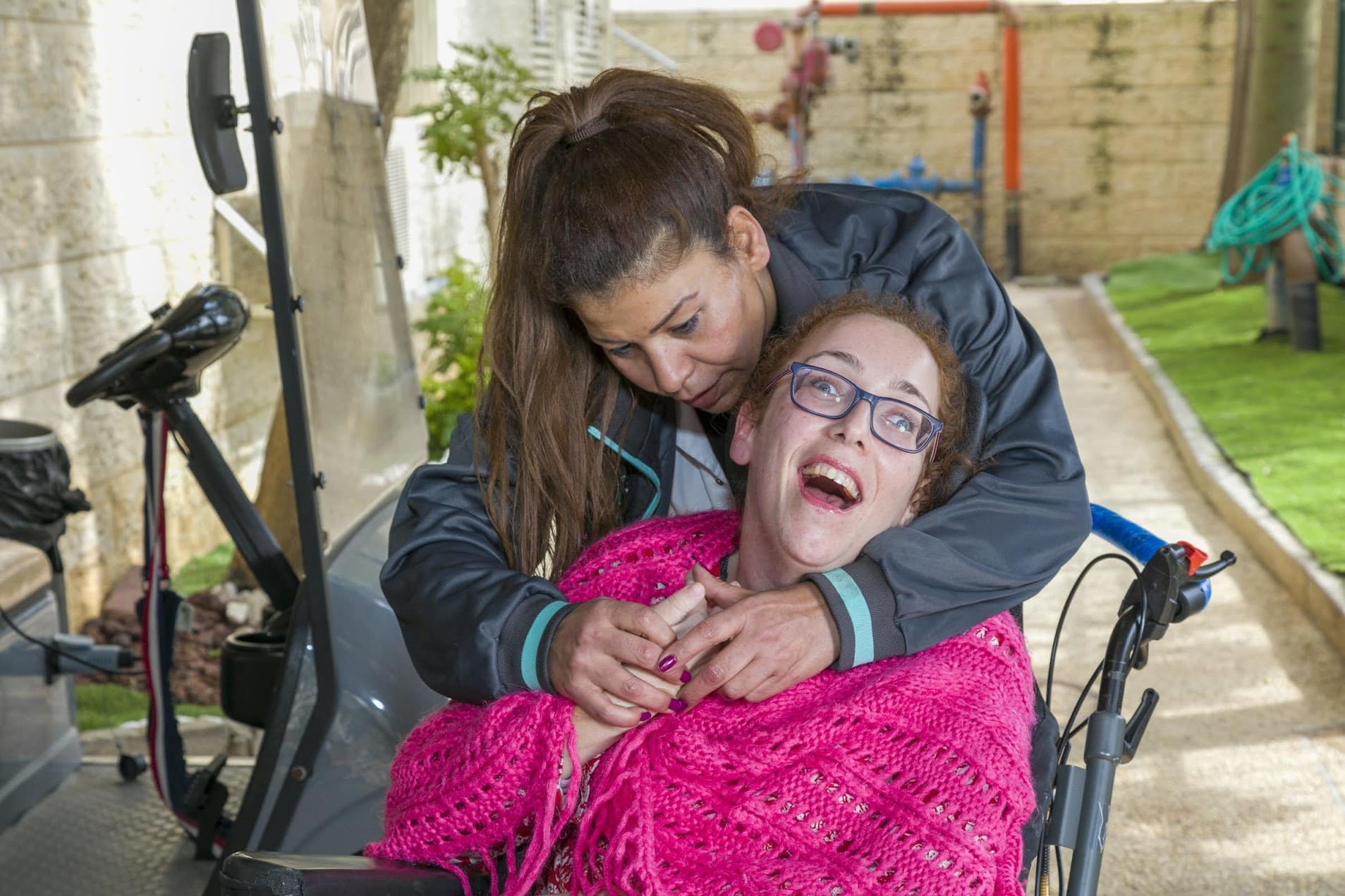
Kavanah, Hebrew, comes from the root meaning direct or prepare. It’s how we align our inner selves toward a higher purpose while fulfilling mitzvot. Halacha Jewish law, instructs us to give tzedakah generously. Jewish tradition teaches that this openness must also include the heart.
Rabbeinu Bachya’s Chovot HaLevavot, Duties of the Heart, emphasizes that inner devotion determines the spiritual value of a physical action. Chasidic teachings expand on this further, describing kavanah as full mental and emotional presence in the moment of performing mitzvahs.
In times of crisis, having a mindset of kavanah becomes even more important. Since 2023, Israel has undergone tremendous strain, with families, children, and seniors facing displacement, severe economic hardship, and ongoing insecurity.
In a climate like this, Hebrew compassion, which manifests with kavanah, is essential to prevent philanthropy from becoming transactional. Intention and soul behind the generosity give tzedakah meaning, turning it into a spiritual partnership.
For example, when volunteers deliver meals to elderly residents in border cities like Sderot, they do more than bring food. With the right kavanah behind their actions, they bring comfort and Hebrew compassion, making a much stronger, longer-lasting positive impact.
Think about this: What is your kavanah when you donate to poor in Israel today?
Understanding the kavanah Hebrew connection to charity reminds us that intention is not abstract – it is something we actively cultivate and infuse into every action.
Kavanah and Tikkun Olam: Healing Israel’s Broken Hearts
The idea of tikkun olam, repairing the world, resonates deeply within Jewish values and beliefs. When we learn what tikkun olam is at its deepest level through Lurianic teachings, we see that shattered vessels (shevirat ha-kelim) demandrepair through the fulfillment of mitzvot with intention – i.e., Kavanah Hebrew.
In the Torah (Deuteronomy 15:8), we see that giving must be done with an open hand – not reluctantly or in a distracted way. It must be done with presence of mind, heart, and soul – the true expression of Jewish charity.
When looking for the best charities to support Israel, search with intention. Where will your donation have the greatest impact at the deepest level?
At Colel Chabad, programs addressing food security in Israel do more than distribute groceries. They restore confidence to families struggling on both physical and emotional levels. Initiatives supporting widows and orphans’ charity provide emotional care, financial assistance, and wedding support that rebuild broken lives.
When donors give kavanah, they are not simply responding to need. They are participating in the sacred repair of the world with a truly meaningful understanding of tikkun olam.
Start your kavanah journey. Donate with heart today.
Real-Life Examples of Kavanah in Israel Support
How do we make Kavanah real when it comes to tzedakah? When we give with the intention of repairing the world and bringing healing to the Jewish people, the positive effects of our generosity are longer-lasting and far more impactful.
In fact, studies have shown that when donating with directed effort – kavanah – increases donor engagement and long-term commitment by 20-30%. This indicates that intentional giving affects both the giver and the recipient, building stronger communities with every intentional action.
As one of the top Israeli charities, Colel Chabad embodies directed intention in practical ways. Each program aims not only to fill an urgent physical need but also generate healing.
For example, when volunteers deliver meals on wheels to people like Rosa, a 103-year-old Holocaust survivor, they bring much more than physical sustenance. It’s the warmth, connection, and intention that leave a lasting impact every time they step through the door. This is just one example of thousands occurring all across Israel every day.
Through Pantry Packers Israel, food packages reach families facing ongoing hardship. As volunteers pack boxes, they transform the transaction into a gift of respect.
Colel Chabad’s widows and orphans charity includes financial grants, therapy, and wedding assistance. This reflects the highest form of giving: sustaining individuals over the long term.
Examples like these highlight the difference between routine distribution of supplies vs the chesed – acts of loving kindness – expressed with presence and dignity.
Kavanah Hebrew efforts are rebuilding Israel’s resilience one family at a time.
Practice Kavanah most practically by partnering with Colel Chabad’s social initiatives to bring aid, with compassion and intention, to the needy in Israel.
Make a Chabad donation today.
FAQs: Kavanah and Aiding Israel’s Vulnerable
What is kavanah, and how does kavanah, in Hebrew, relate to aiding Israel’s vulnerable?
Kavanah means focused intention. When you support top Jewish charities that provide restorative aid to Israel’s most vulnerable, you transform a simple act of giving into a spiritual act on a higher plane.
How does kavanah enhance tikkun olam efforts?
When acting with Kavanah, we ensure that efforts to repair the world are guided by mindful intention rather than routine obligation.
How does Colel Chabad apply kavanah?
Through programs that combine practical aid with personal connection and a focus on maintaining dignity and respect. Whether delivering meals or supporting families, kavanah shapes every interaction.
What are real examples of kavanah in Israel’s aid work?
Meals on Wheels visits include wellness checks, Pantry Packers Israel volunteers pack boxes with care, and helping orphans and widows includes financial and emotional support.
How do I start incorporating kavanah into my support for Israel?
Before you give, pause and reflect on why you are doing so. Then act with intention and commitment.
You can support Colel Chabad’s social initiatives and programs with a heartfelt Chabad donation, ensuring your generosity carries kavanah into every corner of Israel.


 English
 עִבְרִית
 Русский
 Español
 Français